
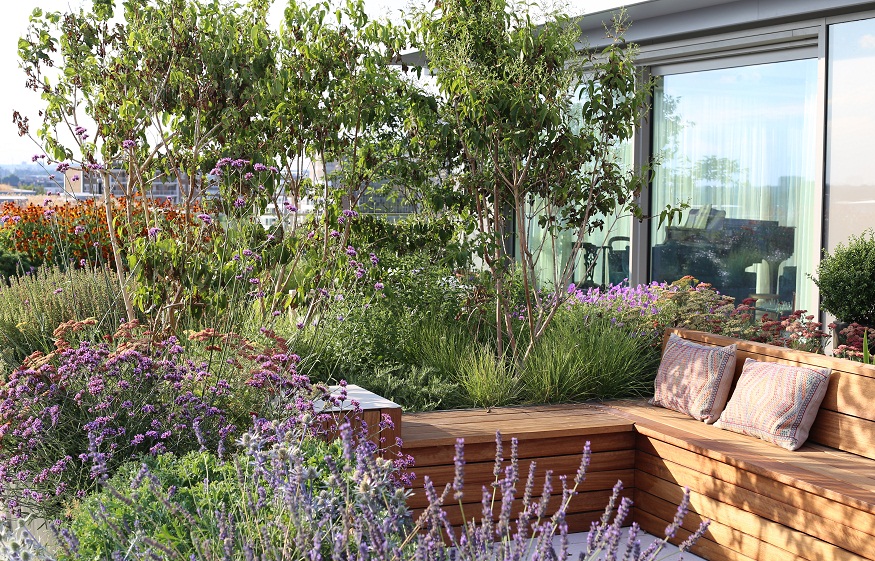
There is something irresistible about an elevated outdoor space. Whether it is a tucked-away balcony, a smart rooftop terrace or a sun-soaked upper garden, these areas bring a different kind of charm. They are exposed yet private, compact yet full of potential.
Making the most of these spaces means paying attention to detail. When done well, they become outdoor rooms with just as much personality as any interior. The secret is to design with intent, and to think not just about what fits, but about what lifts the space and makes it truly yours.
Start with the feeling you want to create
Before thinking about furniture or flooring, consider how you want the space to feel. Is it a morning coffee nook? An evening drinks terrace? A reading spot above the trees? Or perhaps a place to grow herbs and sit among the greenery?
Read More : Why Families Are Choosing Home and Land Packages in Aintree
This early decision will help guide everything else, from layout to lighting. A balcony designed for morning sun needs different planting and furniture than one used for cosy evening gatherings.
Purpose is everything. Even the smallest balcony can feel luxurious if it is designed with a clear intention in mind.
Use vertical space wisely
When floor area is limited, the walls and railings become your best assets. Hang planters, string lights or install slim shelving for plants and decorative items.
A tall mirror can bounce light around and make a narrow balcony feel larger. Vertical trellises with climbing plants soften hard edges and add texture without eating into the footprint. Hooks, shelves and wall art all help give personality to high-up spaces without cluttering the floor.
The more you lift things off the ground, the more spacious your terrace or balcony will feel.
Choose furniture that earns its place
On a rooftop or balcony, every piece of furniture has to work hard. Opt for items that are multi-functional, foldable or stackable. A bench with storage inside, a bistro set that tucks away or a hammock that can be taken down when not in use.
Stick to lightweight materials, but make sure they are sturdy enough to handle wind and weather. Natural tones help soften the space and blend with plants and sky, especially in exposed settings.
Comfort matters. Even if space is tight, include cushions, throws or rugs designed for outdoor use. These small touches make a huge difference in how often and how happily the space is used.
Define the boundaries
On ground-level patios, we often think of fences or hedges. Up high, it is the balustrade that does most of the work. It is both a safety feature and a key part of the design.
If you are upgrading your terrace or balcony, take time to choose a balustrade that complements your style. Options range from sleek metal to classic timber and contemporary composite materials. A growing number of homeowners are opting for composite balustrades because they are durable, low maintenance and create a clean, structured look that suits modern settings.
The right balustrade gives definition to the edge without closing in the view.
Layer your lighting
Lighting is often the difference between a space that gets used during the day and one that comes alive at night. A few layered light sources make a terrace or balcony feel welcoming and warm after sunset.
Fairy lights strung along railings, solar lanterns nestled in planters, or a small table lamp rated for outdoor use all work beautifully. Uplighting behind pots or downward-facing sconces on a wall add depth and ambience.
Keep the lighting soft. The aim is to feel cocooned, not spotlighted.
Plant with purpose
Balconies and roof gardens may not have open soil, but they can still be full of life. Planters, troughs and pots of all sizes allow you to grow herbs, flowers and even small shrubs or trees.
Use repetition for cohesion. Group plants with similar tones or textures to create a theme. Mix evergreens with seasonal colour for year-round interest. Consider height carefully. Tall plants can act as natural screens, while low ones keep sightlines open.
If your terrace is exposed, choose wind-resistant varieties like grasses, lavender or olive trees. And always check the weight limits of your structure before planting too heavily.
Add softness and texture
High-up spaces can sometimes feel a bit cold or boxy. Soft furnishings, textiles and layered materials help create a more relaxed, inviting atmosphere.
Outdoor rugs define areas and make them feel like rooms. Woven cushions or throws add colour and comfort. Slatted wooden walls, planters or pergolas break up hard lines and introduce a sense of shelter.
The goal is to turn the space into somewhere you genuinely want to spend time. Somewhere that feels designed for people, not just for plants or furniture.
Create pockets of privacy
Even up high, privacy can be an issue. Nearby windows, overlooking balconies or tall buildings can all intrude on your sense of peace.
Create screening using tall plants, fabric panels, parasols or slim screens. Trellises covered in greenery provide coverage without shutting out light. Modular furniture or strategically placed pots can help block views while keeping the space airy.
You do not need full enclosure. Just enough to feel comfortably tucked away from the world below.
Make the view part of the design
One of the best things about a raised garden or terrace is the view. Even if it is not a sweeping city skyline or a rolling landscape, every outlook has something to offer.
Frame that view. Arrange furniture to face it. Use planting or screens to block out less attractive elements and draw the eye toward the best parts. A small balcony overlooking trees or rooftops can feel just as magical as one with a dramatic vista, if it is styled with care.
For wider commercial, hospitality, or public-facing projects, small supporting details can make the finished space feel more complete. Composite decking can provide a durable, low-maintenance surface for terraces, entrances, outdoor seating areas, and customer-facing spaces; while hand dryers can support cleaner, more efficient washroom facilities; while traditional signage can add character, direction, and brand presence; while digital signage can share changing information, promotions, menus, or wayfinding updates clearly.
Final thoughts
Terraces, balconies and rooftop gardens may be smaller than traditional outdoor spaces, but they are packed with potential. With thoughtful choices, you can turn these tucked-away platforms into places of escape, style and comfort.
Read More : 10 Things to Check Before Buying Furniture in Pune
Pay attention to boundaries, use vertical space well and select furniture and planting with a clear purpose. Consider the role your balustrade plays in safety and style. And most importantly, design for how you live, not just how it looks in pictures.
The high life is not about height alone. It is about turning overlooked areas into elevated experiences.