
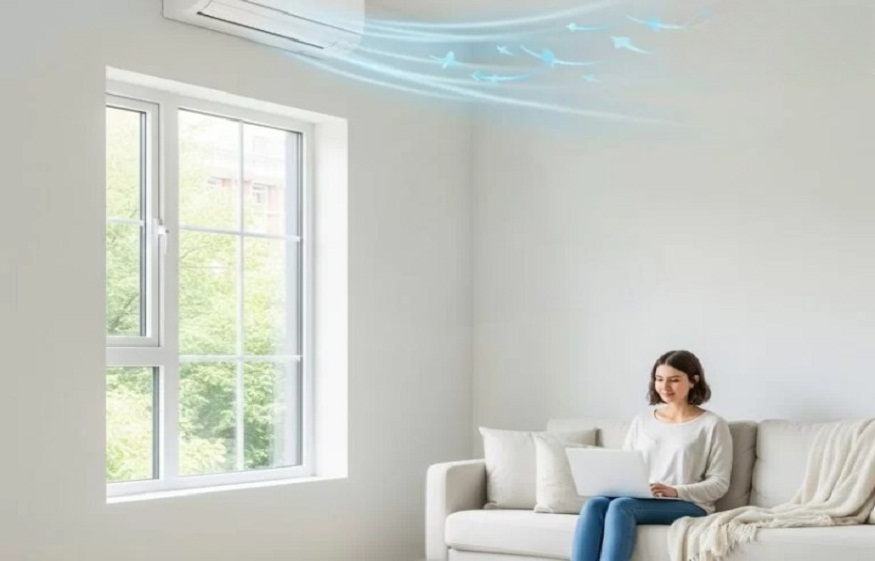
With rising electricity costs and growing awareness about sustainable living, homeowners are constantly looking for ways to improve energy efficiency without compromising comfort. While appliances, lighting, and insulation often receive the most attention, one important factor is frequently overlooked—windows. Poor-quality windows can allow excessive heat to enter during summer and let indoor warmth escape during winter, forcing air conditioners and heaters to work harder.
Designed with advanced insulation properties and airtight sealing, they help maintain a comfortable indoor temperature throughout the year. By reducing heat transfer and minimizing energy loss, uPVC windows contribute to lower electricity consumption and improved indoor comfort. Whether you are building a new home or renovating an existing one, installing energy-efficient uPVC windows can be a smart long-term investment.
Why Windows Influence Energy Consumption
Windows are one of the primary points through which heat enters or escapes a building. During hot weather, sunlight and outdoor heat pass through poorly insulated windows, causing indoor temperatures to rise. As a result, air conditioners need to run longer and consume more electricity.
Read More : 10 Things to Check Before Buying Furniture in Pune
Similarly, during colder months, warm indoor air can escape through gaps around old or poorly fitted windows, making heating systems work harder. This continuous heat gain and heat loss increase energy usage throughout the year.
Choosing windows with better insulation helps reduce these temperature fluctuations and improves the overall energy efficiency of a home.
How uPVC Windows Improve Thermal Insulation
One of the biggest reasons uPVC windowshelp reduce electricity bills is their excellent thermal insulation.
Unlike metal frames, which easily conduct heat, uPVC is a poor conductor of heat. Modern uPVC window profiles are designed with multiple internal chambers that act as insulation barriers. These chambers slow down the transfer of heat between the inside and outside of the building, helping maintain a stable indoor environment.
As a result, rooms stay cooler for longer during summer and retain warmth more effectively during winter, reducing the need for continuous cooling or heating.
l Airtight Sealing Prevents Energy Loss
Another important feature of uPVC windows is their precision-engineered sealing system.
High-quality uPVC windows are fitted with durable gaskets and weather seals that minimize air leakage around the frame. This airtight construction prevents hot outdoor air from entering the home while stopping conditioned indoor air from escaping.
Reduced air leakage means your air conditioner or heater does not have to compensate for constant temperature changes, leading to lower electricity consumption and improved energy efficiency.
l Better Performance with Double-Glazed Glass
The energy-saving benefits of uPVC windows become even greater when combined with double-glazed glass.
This design significantly reduces heat transfer compared to single-pane windows.
The combination of insulated uPVC frames and double glazing creates an effective thermal barrier that keeps indoor temperatures more consistent. Homeowners can enjoy greater comfort while reducing dependence on air conditioning and heating systems.
l Reduced Dependence on Air Conditioning
In many parts of India, air conditioners operate for several months each year because of high outdoor temperatures. Cooling systems often account for a large share of household electricity bills.
By reducing heat gain through windows, uPVC systems help keep interiors naturally cooler. Air conditioners can reach the desired temperature more quickly and cycle on less frequently, lowering energy consumption without sacrificing comfort.
Over time, this improved efficiency can contribute to noticeable savings on monthly electricity bills.
l Improved Comfort Throughout the Year
Energy-efficient windows are not just about reducing costs—they also improve everyday living.
uPVC windows help maintain a more consistent indoor temperature by reducing sudden heat gain or heat loss. Rooms remain comfortable even during extreme weather conditions, minimizing hot spots near windows and improving overall living conditions.
A stable indoor environment also enhances productivity, relaxation, and sleep quality, making homes more pleasant throughout the year.
l Weather Resistance Supports Energy Efficiency
Extreme weather can affect the performance of traditional window materials. Wooden frames may expand or shrink due to moisture, while some metal frames can develop gaps over time because of temperature changes.
uPVC windows are designed to withstand varying weather conditions without warping, cracking, or corroding. Their dimensional stability ensures that seals remain effective, helping maintain energy efficiency year after year.
This consistent performance is particularly valuable in regions that experience heavy monsoons, high humidity, or intense summer heat.
l Low Maintenance with Long-Term Savings
Maintaining energy efficiency also depends on the condition of the windows.
Wooden windows often require repainting, sealing, or repairs to prevent air leakage, while rust or corrosion can affect the performance of certain metal frames.
uPVC windows require very little maintenance. Routine cleaning is usually sufficient to keep them functioning properly, and their durable construction helps preserve their insulating properties for many years. Lower maintenance requirements add to the overall cost savings associated with uPVC window systems.
Additional Benefits Beyond Energy Savings
Although lower electricity bills are a major advantage, uPVC windows provide several additional benefits that improve the value of your investment:
- Better sound insulation for quieter indoor spaces.
- Resistance to moisture, termites, and corrosion.
- Enhanced security with multi-point locking systems.
- Attractive designs that complement modern architecture.
- Long service life with minimal maintenance.
These combined advantages make uPVC windows an excellent choice for homeowners seeking both comfort and long-term performance.
Tips to Maximize Energy Savings
To achieve the best results from uPVC windows, homeowners should consider a few important factors:
- Choose high-quality uPVC profiles from a trusted manufacturer.
- Opt for double-glazed or Low-E glass where suitable.
- Ensure professional installation for proper sealing.
- Select window designs appropriate for ventilation and sunlight.
- Regularly clean tracks and hardware to maintain smooth operation.
Proper product selection and installation play a crucial role in maximizing the energy-saving potential of uPVC windows.
Conclusion
Reducing electricity bills is no longer just about using energy-efficient appliances. The right windows can make a significant difference by improving insulation, minimizing air leakage, and maintaining comfortable indoor temperatures throughout the year.
uPVC windows combine advanced thermal performance, airtight sealing, durability, and low maintenance to create a practical solution for modern homes. By reducing the workload on air conditioners and heating systems, they help lower energy consumption while enhancing comfort and sustainability.
Read More : Why Families Are Choosing Home and Land Packages in Aintree
Whether you are constructing a new home or replacing old window systems, investing in high-quality uPVC windows is a smart decision that delivers lasting value. Over time, the combination of energy savings, durability, and improved indoor comfort makes uPVC windows an investment that benefits both homeowners and the environment.