

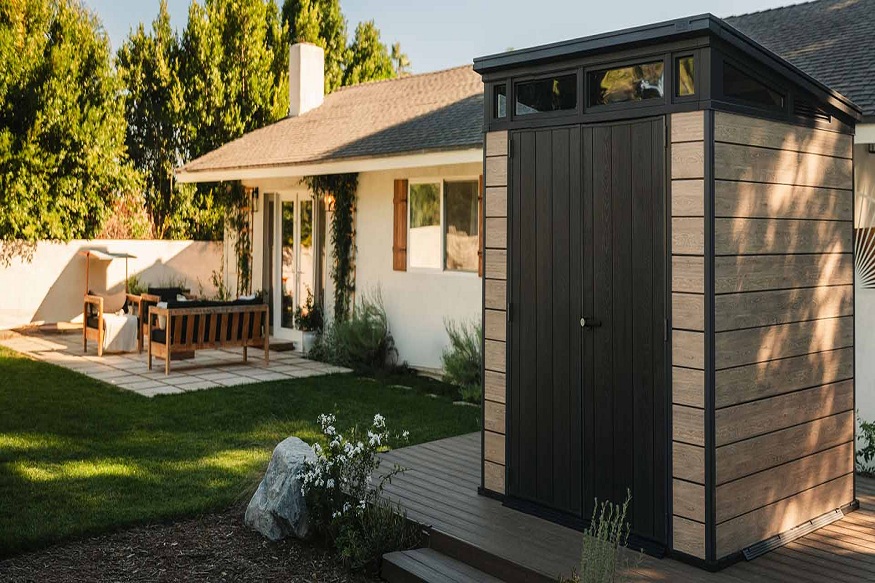
Canada’s summers may be short, but they’re intense. Between UV rays, fluctuating temperatures, and humidity, outdoor structures like garden sheds can face real stress. If you’re planning to add a backyard shed this year, the key to longevity isn’t just the materials you build with—it’s the foundation beneath it. Learning how to build a shed foundation that can handle Canada’s summer heat means fewer repairs, better moisture control, and a structure that stands strong all year long.
Why Your Shed Foundation Matters
A solid shed foundation does more than hold up walls and roofing—it protects your investment. Without proper support, summer heat can warp, crack, or shift the base, leading to uneven floors or even structural collapse over time.
The right foundation ensures:
- Air circulation beneath the shed to prevent moisture buildup.
- Stability during freeze-thaw cycles.
- Protection against pests and rot.
- Better insulation against the summer heat radiating from the ground.
Think of the foundation as your shed’s anchor against weather extremes—it’s what separates a short-lived storage space from a dependable outdoor building.
Read More: Top Bamboo Sheets That Keep Hot Sleepers Cool All Summer
Step 1: Choose the Right Location
Start by choosing a location that supports both drainage and shade. Avoid low-lying areas where water collects after summer storms. Ideally, place your shed slightly elevated so that natural runoff helps keep the foundation dry.
Check local bylaws, too—some municipalities regulate how close structures can be to property lines or fences. Then, watch how the sun hits your yard throughout the day. Positioning your shed near trees or on the north side of your home offers subtle cooling benefits during peak summer heat.
Step 2: Select the Best Foundation Type
Not all foundations perform equally in hot, humid conditions. The best options for handling
Canada’s summer heat include:
- Concrete slab foundations: Highly durable and excellent for large sheds. Concrete stores heat slowly and releases it gradually, keeping internal temperatures steadier. For summer protection, seal the slab to minimize moisture absorption.
- Gravel foundations: An affordable DIY choice. Gravel promotes airflow and drainage while reducing ground heat transfer. It’s ideal for small- to medium-sized sheds.
- Pressure-treated wood frame foundations: Practical and flexible, these are suitable when you want to raise the shed for ventilation. Just make sure treated wood is rated for ground contact to resist heat-related splitting and insect activity.
Each type offers unique advantages. Concrete resists long-term heat stress; gravel encourages airflow for cooling; wood provides insulation and adaptability.
Step 3: Prepare the Ground
Proper ground preparation creates a stable base that minimizes heat absorption. Here’s how to do it right:
- Clear debris and vegetation—roots and mulch trap moisture.
- Level the soil to ensure even load distribution.
- Add a compacted gravel layer (typically 4–6 inches). This layer helps disperse solar heat and limits thermal expansion on hot days.
- Check for drainage patterns—if water tends to pool, dig a shallow trench on one side to redirect flow away from the foundation.
You’ll notice fewer cracks and shifts in your shed as the summer progresses, thanks to improved airflow and temperature regulation.
Step 4: Use Heat-Resistant Materials
Canadian summers can surprise you—humid weather in Ontario, dry heat in Alberta, coastal breezes in British Columbia. To ensure your shed can handle it all, choose materials that resist temperature-related deformation.
For example:
- Concrete with polymer additives holds up better under temperature swings.
- Composite decking materials, often used for floor frames, don’t absorb or release heat as quickly as solid wood.
- UV-protected sealants and paints can keep the base cooler while preventing surface cracking.
In short, opting for thermally stable materials makes your foundation and shed more “future-proof.”
Step 5: Install Moisture Protection and Insulation
Heat often goes hand in hand with humidity. During muggy Canadian summers, trapped moisture can seep into materials, causing warping or mildew. Underlayment barriers—like heavy-duty landscape fabric, PVC sheeting, or liquid membranes—reduce this risk.
For concrete slabs, apply sealant once cured. For gravel foundations, lay fabric beneath the gravel to act as a vapor barrier. If using wood, consider installing rigid foam insulation panels beneath the floor joists to stabilize temperatures and prevent ground heat from radiating upward.
Step 6: Maintain for the Long Run
Even the toughest shed foundation needs seasonal maintenance. Once your shed is built, commit to these habits:
- Inspect drainage paths after storms.
- Reapply sealants every two summers.
- Check for settling or gaps that could allow heat or water to intrude.
- Sweep away leaves and debris that trap heat against the shed base.
Regular maintenance keeps your shed functional and energy-efficient year-round, even in the hottest months.
Read More: The Hidden Bond: A Comprehensive Guide to
Bonus: Pairing a Strong Foundation with a Durable Shed
A well-built foundation performs best when paired with high-quality materials above it. Brands known for weather-resistant designs make maintaining outdoor spaces easier. For instance, Keter’s durable garden sheds for Canadian weather conditions are engineered to withstand temperature extremes, resist UV exposure, and sit securely atop properly prepared foundations. That combination—the right base and the right structure—results in a backyard asset built for longevity.
Building a shed foundation that can handle Canada’s summer heat isn’t complicated—it’s about planning and respecting environmental challenges. By choosing proper materials, investing time in drainage and insulation, and maintaining your setup each season, you give your shed the best chance to thrive for decades.
When the sun blazes and humidity builds, you’ll appreciate that extra preparation. Your foundation won’t just support a shed—it’ll support peace of mind, knowing your outdoor space is strong enough to withstand any Canadian summer.