

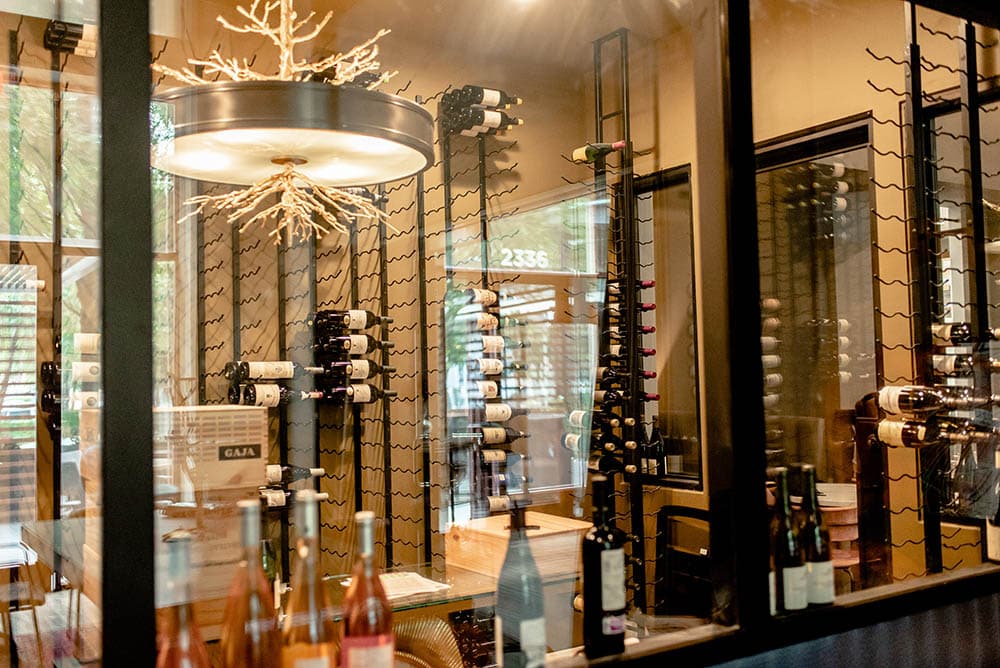
For any business that treats wine as a serious asset—be it a high-end restaurant, a boutique hotel, or a dedicated retail shop—the inventory represents a significant financial investment. Unlike spirits or craft beers, wine is a living, breathing product that evolves over time. Without the right environment, that evolution can quickly turn into a costly decline. Understanding the nuances of commercial wine cellar cooling systems is the first step in protecting your liquid assets and ensuring that every cork pulled delivers the experience your customers expect. Whether you are a restaurateur looking to showcase an elite vintage collection or a developer planning a luxury hospitality space, the decision to build a commercial wine cellar requires careful consideration of both high-capacity climate control and aesthetic appeal.
Why Standard Air Conditioning Falls Short
One of the most common misconceptions among new business owners is the belief that a standard building HVAC system can handle wine storage. Residential or commercial air conditioning is designed to keep humans comfortable by cooling the air quickly and removing moisture to lower humidity. Wine, however, requires the exact opposite.
A dedicated wine cooling system is engineered to maintain a constant temperature, ideally between 55 and 58 degrees Fahrenheit, while preserving a relative humidity level of 50 to 70 percent. Standard AC units strip moisture from the air, which can cause corks to dry out, shrink, and allow oxygen to seep into the bottle, spoiling the wine. Commercial wine systems are built to run continuously at these specific parameters without the frequent cycling that causes temperature swings.
Choosing the Right System Configuration
There are three primary types of cooling systems used in commercial settings: through-the-wall, split systems, and ducted systems. The choice depends largely on the layout of your facility and your aesthetic goals.
Read More: How to Build a Shed Foundation That Can
Through-the-wall units are the most straightforward and cost-effective. They are self-contained systems mounted in the wall of the cellar. However, they require a well-ventilated exhaust room to dissipate heat and can be noisier than other options, which might not be ideal for a quiet dining room setting.
Split systems separate the evaporator (inside the cellar) from the condenser (outside the building). These are highly popular for businesses because they allow the noisy mechanical components to be placed far away from the customer area. Ducted systems offer the ultimate in aesthetics and silence, as the unit is located in a different room entirely, with cool air delivered through insulated vents. This eliminates the sight of bulky equipment inside a beautifully designed cellar.
The Importance of Redundancy and Monitoring
In a commercial environment, equipment failure isn’t just an inconvenience; it is a liability. High-end cooling systems often come with or can be integrated into smart monitoring platforms. These systems can send real-time alerts to a smartphone if the temperature climbs even a few degrees outside the safety zone.
For businesses with exceptionally valuable collections, investing in a redundant system is a wise move. This involves installing two smaller units rather than one large one. If one unit fails or requires maintenance, the second unit can carry the load, preventing the cellar from overheating while repairs are made. This level of foresight is what separates a standard storage room from a professional-grade wine program.
Read More: The Hidden Bond: A Comprehensive Guide to
Proper Insulation and Vapor Barriers
A cooling system is only as effective as the room it is cooling. Even the most expensive commercial unit will struggle and eventually burn out if the cellar is not properly insulated. Business owners must ensure that the cellar walls and ceiling are equipped with a high R-value insulation and a proper vapor barrier. This prevents outside heat from migrating in and stops condensation from forming within the walls, which could lead to mold growth. Glass displays, while visually stunning, must be double-paned and UV-protected to prevent heat transfer and light damage.
Conclusion
Investing in a professional wine cellar cooling system is about more than just temperature control; it is about brand integrity and financial security. When a business owner prioritizes the structural and mechanical needs of their wine storage, they are ensuring that their inventory remains a source of profit rather than a source of waste. By selecting the right configuration and maintaining the proper environment, you can provide your clientele with wine that has been preserved exactly as the winemaker intended.