

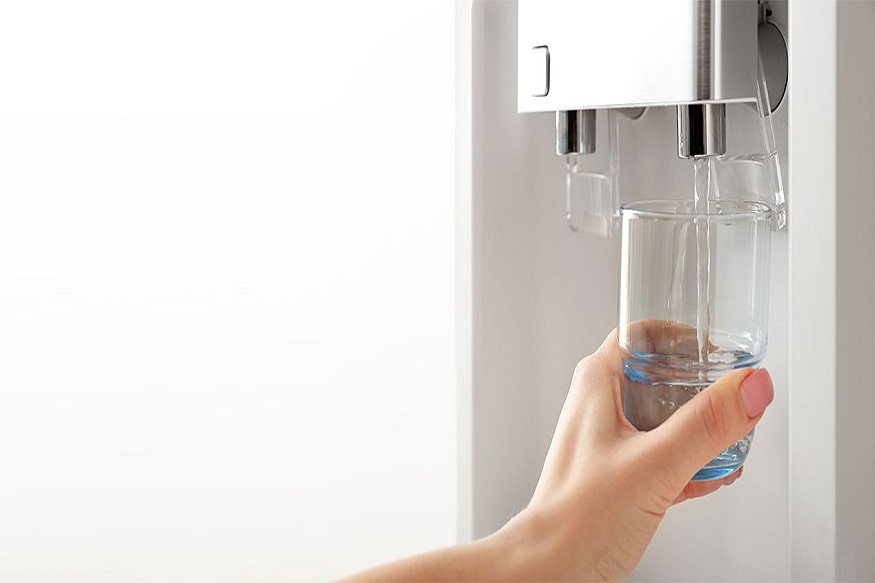
Water is essential for life, and ensuring its purity has become a priority for households around the world. Among the many water filtration methods available today, Reverse Osmosis (RO) systems are among the most popular. However, a common question often arises: does RO water purifier remove minerals? This concern has sparked debates about whether RO water is truly healthy or if it strips away essential nutrients along with impurities.
In this article, we will explore how RO purifiers work, whether they remove minerals, and what that means for your health. By the end, you’ll have a clear understanding of whether an RO system is the right choice for your home.
What is an RO Water Purifier?
Reverse Osmosis (RO) is a water purification process that uses a semi-permeable membrane to remove contaminants from water. It works by applying pressure to force water through this membrane, leaving impurities behind.
RO systems are highly effective at removing:
- Dissolved salts
- Heavy metals (like lead and arsenic)
- Bacteria and viruses
- Chemical contaminants
- Fluoride and nitrates
Because of this thorough filtration process, RO purifiers are widely used in areas where water quality is poor or contaminated.
Does RO Water Purifier Remove Minerals?
Read More:Why Hiring an Electrician Pflugerville is the Smart Choice for Homeowners and Businesses
The simple answer is: yes, RO water purifiers do remove minerals.
The RO membrane is designed to filter out particles as small as 0.0001 microns. This includes not only harmful substances but also naturally occurring minerals such as:
- Calcium
- Magnesium
- Potassium
- Sodium
These minerals are often referred to as Total Dissolved Solids (TDS). Since RO systems reduce TDS significantly, beneficial minerals are also removed along with harmful contaminants.
Why Does RO Remove Minerals?
RO technology does not differentiate between “good” and “bad” dissolved substances. Its primary function is to remove all dissolved solids to ensure maximum purity.
This happens because:
- Molecular Size Matters: The RO membrane blocks most dissolved particles, regardless of their nature.
- High Filtration Precision: The system is designed for deep purification, which includes removing both contaminants and minerals.
- Pressure-Based Filtration: Water is forced through the membrane, leaving behind anything that cannot pass through its microscopic pores.
As a result, the output water is very low in TDS, often close to pure H₂O.
Are Minerals in Water Important?
This is where the debate begins. Minerals like calcium and magnesium are beneficial for the human body. They contribute to:
- Bone health
- Muscle function
- Heart health
- Electrolyte balance
However, it’s important to note that drinking water is not the primary source of these minerals. Most essential minerals come from food, such as:
- Dairy products
- Vegetables
- Nuts and seeds
- Whole grains
In fact, the contribution of minerals from water is relatively small compared to dietary intake.
Is RO Water Safe to Drink?
Yes, RO water is generally safe to drink. In fact, it is considered one of the purest forms of drinking water available. However, because it lacks minerals, some people find its taste slightly flat or bland.
To address this concern, many modern RO systems include a remineralization stage, which adds essential minerals back into the water after purification. This improves both taste and nutritional value.
Advantages of RO Water Purifiers
Despite the removal of minerals, RO systems offer several significant benefits:
1. Superior Purification
RO removes harmful contaminants that many other filtration systems cannot, making it ideal for areas with polluted water.
2. Improved Taste and Odor
By eliminating chlorine, chemicals, and impurities, RO water often tastes cleaner and fresher.
3. Health Protection
RO systems reduce exposure to toxic substances like heavy metals and pathogens.
4. Versatility
They can be used for drinking, cooking, and even in appliances like coffee makers and kettles.
Disadvantages of RO Water Purifiers
While effective, RO systems do have some drawbacks:
1. Mineral Removal
As discussed, beneficial minerals are removed along with contaminants.
2. Water Wastage
Traditional RO systems can waste a significant amount of water during the filtration process.
3. Maintenance Costs
Filters and membranes need regular replacement to maintain efficiency.
4. Slightly Acidic Water
RO water can have a slightly lower pH due to the absence of minerals.
How to Restore Minerals in RO Water
If you’re concerned about mineral loss, there are several ways to restore them:
1. Remineralization Filters
Many RO systems now come with built-in mineral cartridges that add calcium and magnesium back into the water.
2. Mineral Drops
You can manually add mineral solutions to your water.
3. Balanced Diet
Ensuring a nutrient-rich diet can compensate for any mineral loss from drinking water.
When Should You Use an RO Water Purifier?
An RO system is particularly useful in the following situations:
- High TDS levels in water (above 300 ppm)
- Presence of heavy metals or industrial pollutants
- Salty or brackish water supply
- Areas with poor water quality
However, if your water already has low TDS and is microbiologically safe, an RO system may not be necessary.
RO vs Other Water Purification Methods
To better understand RO, let’s compare it with other common systems:
UV Purifiers
- Kill bacteria and viruses
- Do not remove dissolved solids
UF (Ultrafiltration)
- Removes larger particles and microbes
- Cannot remove dissolved salts
Activated Carbon Filters
- Improve taste and remove chlorine
- Limited ability to remove heavy metals
RO stands out because it removes both biological and chemical contaminants, making it the most comprehensive option.
Modern Innovations in RO Technology
Recent advancements have improved RO systems significantly. Some modern units:
- Reduce water wastage
- Include smart monitoring systems
- Add essential minerals back into water
- Enhance taste with multi-stage filtration
For instance, innovative products like Ciarra One reflect how technology is evolving to combine efficiency with user convenience, even in kitchen appliances that support cleaner living environments.
Should You Be Concerned About Mineral Loss?
For most people, the answer is no. The minerals removed by RO systems are typically obtained in sufficient quantities through food.
However, certain groups may need to pay closer attention:
- Individuals with mineral deficiencies
- People relying heavily on water for mineral intake
- Those with specific health conditions
In such cases, using a remineralization filter or consulting a healthcare professional is recommended.
Read More:What to Look for When Upgrading Your Ceiling Fan
Final Thoughts
So, does RO water purifier remove minerals? Yes, it does. But this is not necessarily a disadvantage—it is simply part of the purification process that ensures water is free from harmful contaminants.
While the removal of minerals may seem concerning at first, it is important to remember that drinking water is only a minor source of essential nutrients. With a balanced diet or a remineralization system, you can easily address this issue.
Ultimately, RO water purifiers provide a high level of safety and cleanliness, making them an excellent choice for households dealing with contaminated or high-TDS water. Understanding how they work helps you make an informed decision about whether they are the right fit for your needs.