

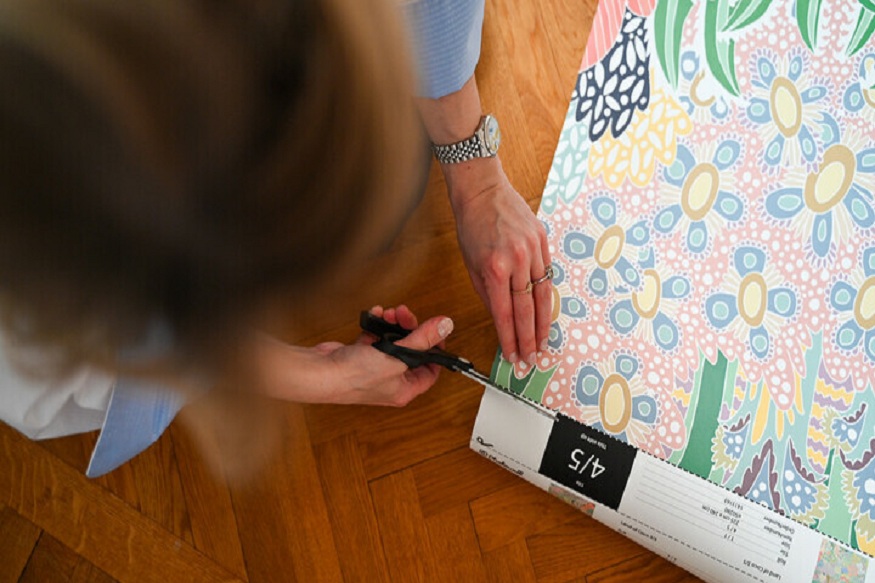
Wallpapering a room is one of the most transformative home improvement projects you can undertake, offering a depth of texture and pattern that paint simply cannot match. However, the success of the entire project often hinges on the smallest details, specifically the integrity of the seams. Even the most beautiful high-end paper can look amateurish if the edges begin to curl or lift over time. Choosing the right adhesive for wallpaper seams for these critical joints is a science in itself, requiring a balance between the material of the wallpaper, the condition of the wall surface, and the environmental factors of the room. By understanding the different types of seam adhesives available, you can ensure your decor remains flawless for years to come.
Identifying the Primary Causes of Seam Failure
Before reaching for a tube of glue, it is essential to understand why wallpaper seams tend to fail in the first place. The most common culprit is paper shrinkage. As wet adhesive dries, some wallpaper materials naturally contract, pulling the edges away from one another. If the initial bond is not strong enough to resist this tension, a gap appears. Another frequent issue is environmental stress; rooms with high humidity, such as bathrooms or kitchens, can cause the adhesive to re-hydrate and lose its grip.
Surface preparation also plays a significant role. If the wall was not properly primed or if there is a layer of dust behind the paper, the adhesive will bond to the debris rather than the wall itself. This is why professional installers emphasize that a seam is only as good as the surface beneath it. Identifying these potential stressors early allows you to select a seam adhesive with the specific chemical properties needed to combat them, such as moisture resistance or high-tack initial grip.
Understanding the Different Types of Seam Adhesives
Not all adhesives are created equal, and using the wrong one can lead to staining or permanent damage to the wallpaper face. The most common option for minor repairs and standard installations is a vinyl-over-vinyl adhesive. This is specialized, high-tack glue designed specifically to stick to the non-porous surface of vinyl wallpaper. It is particularly useful when you have a slight overlap at a corner or when working with heavy-duty commercial wallcoverings that require an extra-strength bond at the edges.
Read More: The Hidden Bond: A Comprehensive Guide to
For more delicate materials like non-woven papers or traditional pulps, a clear, non-staining cellulose-based adhesive is often preferred. These are less aggressive than vinyl glues and are designed to dry without leaving a shiny residue if a small amount squeezes out onto the front of the paper. There are also “ready-to-use” seam repair glues that come in small tubes with precision applicators. These are perfect for homeowners looking to fix a small section of curling paper without having to mix a large batch of professional paste.
Matching Adhesive to Wallpaper Material
The material of your wallpaper is the most important factor in your decision. Traditional paper-based products are porous and absorb moisture, which means they work well with standard wheat-based or cellulose pastes. However, because they expand when wet and shrink when dry, they require an adhesive with enough flexibility to move with the fibers. If the glue is too rigid, the paper may tear or pull away from the wall as it settles.
On the other hand, non-woven wallpapers are made of a mix of natural and synthetic fibers that do not expand or shrink. These require a “paste-the-wall” adhesive that provides a strong, immediate bond. For grasscloth, silk, or other natural textiles, you must be extremely careful to choose an adhesive with low water content to prevent staining the delicate face of the material. Always check the manufacturer’s instructions, as many high-end brands specify exactly which chemical composition is required to maintain their warranty.
Read More: Top Bamboo Sheets That Keep Hot Sleepers Cool All
Conclusion
Choosing the right adhesive for your wallpaper seams is the difference between a project that looks professional and one that requires constant maintenance. By matching the adhesive type to your specific wallpaper material and taking the time to prepare the surface correctly, you create a bond that can withstand the test of time and environmental changes. Whether you are performing a small repair on an existing wall or embarking on a full room installation, the quality of your seam adhesive is an investment in the longevity and beauty of your home. A little bit of research and the right tools will ensure that the only thing people notice about your wallpaper is the stunning pattern, not the joints where it meets.