

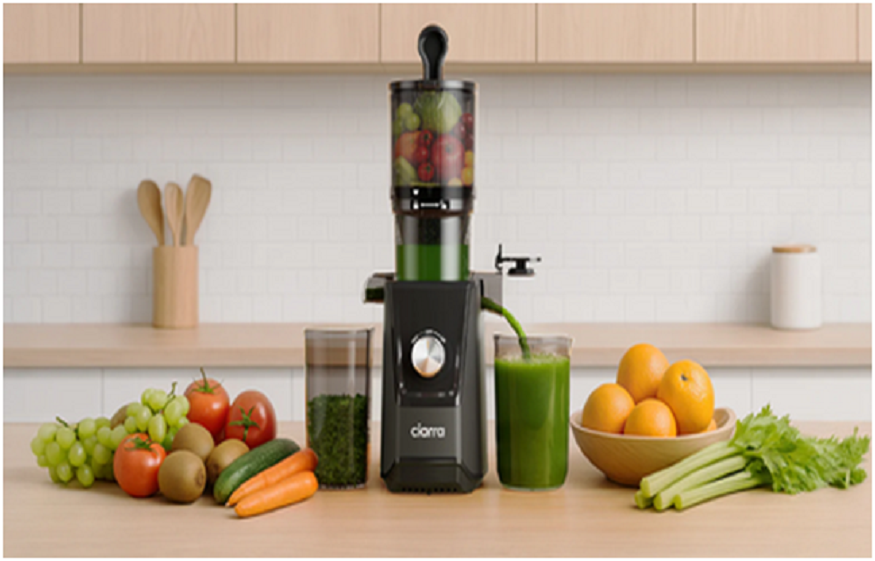
When people think of maple, the first thing that usually comes to mind is sweet maple syrup poured over pancakes. However, before maple syrup reaches the bottle, it begins as fresh sap that must be collected and processed. A maple juicer plays a crucial role in this process by helping extract the natural liquid from maple sources efficiently. Whether you are a hobbyist exploring home sap extraction or a professional producer, understanding how a maple juicer works can significantly improve the quality and yield of your maple products.
What Is a Maple Juicer?
A maple juicer is a specialized tool or device designed to extract liquid from maple trees or maple-based materials. In traditional maple production, sap is collected by tapping maple trees and then processed to create syrup. Modern maple juicers simplify this extraction process by maximizing sap collection and minimizing waste.
Depending on the design, a maple juicer may work through mechanical pressure, manual squeezing, or automated extraction systems. These tools help maintain the purity and natural flavor of maple sap, ensuring that the final product is both delicious and high quality.
Why Maple Sap Extraction Matters
The quality of maple syrup depends heavily on the purity and freshness of the sap. Using an efficient maple juicer helps ensure that the sap is collected quickly and hygienically. When sap is exposed to contaminants or left standing too long, it can ferment or lose its natural sweetness.
Read More: How to Choose a Kitchen Supplier Who Understands
By using a proper extraction method, producers can maintain the natural sugar content and avoid unnecessary impurities. This not only improves taste but also enhances the overall yield when the sap is boiled down into syrup.
Types of Maple Juicers
There are several types of maple juicers available, each suited to different needs and scales of production.
Manual Maple Juicers
Manual maple juicers are typically used by small-scale producers or hobbyists. These devices rely on hand-operated pressure to extract sap. They are affordable, easy to use, and require little maintenance. However, they may not be suitable for large-scale production.
Electric Maple Juicers
Electric maple juicers automate the extraction process. With powerful motors and efficient pressing mechanisms, these machines can handle larger volumes of maple sap. They are ideal for small businesses or farms that produce maple products regularly.
Commercial Maple Juicing Systems
Commercial systems are designed for high-volume production. These setups often integrate sap collection, filtration, and storage processes into one streamlined system. While they require a larger investment, they significantly increase productivity and efficiency.
Benefits of Using a Maple Juicer
Using a maple juicer offers numerous advantages for both beginners and experienced maple producers.
Improved Efficiency: A maple juicer speeds up the sap extraction process, allowing producers to collect more sap in less time.
Better Sap Quality: By minimizing contamination and oxidation, these tools help preserve the natural flavor of maple sap.
Higher Yield: Efficient extraction ensures that more sap is collected from each tree or batch, improving overall syrup production.
Ease of Use: Many modern maple juicers are designed with user-friendly controls, making them accessible even for beginners.
How Maple Juicers Work
The process of using a maple juicer generally involves several steps. First, maple trees are tapped to allow sap to flow. This sap is collected in containers or tubing systems. Once collected, the sap can be passed through a maple juicer that helps filter and refine the liquid before further processing.
In mechanical juicers, pressure is applied to maximize sap extraction. Some advanced machines also include filtration systems that remove impurities, ensuring the sap remains clean and ready for boiling.
Maple Juicers for Home Use
Many people enjoy making maple syrup at home as a seasonal activity. A compact maple juicer can make this process easier and more enjoyable. Home models are typically lightweight and portable, allowing users to collect sap from backyard trees and process it without complicated equipment.
In a well-equipped kitchen, having efficient cooking tools can enhance the syrup-making process. For instance, some enthusiasts combine their maple preparation with modern appliances like the Ciarra Nosh Oven to experiment with maple-based recipes, baked goods, and glazed dishes.
Maintenance Tips for Maple Juicers
Proper maintenance ensures that a maple juicer continues to operate effectively for years.
Clean After Each Use: Sap can become sticky and attract bacteria if left on equipment.
Check Moving Parts: If the juicer has mechanical components, inspect them regularly to ensure smooth operation.
Store in a Dry Place: Moisture can cause rust or damage, particularly in metal parts.
Replace Filters: If your juicer includes filtration components, replace them as recommended by the manufacturer.
By following these simple steps, you can extend the lifespan of your maple juicer and maintain optimal performance.
Choosing the Best Maple Juicer
Selecting the right maple juicer depends on several factors.
Production Scale: Determine whether you need a home model or a commercial system.
Material Quality: Stainless steel models are often preferred because they resist corrosion and maintain hygiene.
Ease of Cleaning: A design that allows easy disassembly can save time during maintenance.
Budget: While high-end models offer advanced features, there are many affordable options that perform well for smaller operations.
Taking the time to evaluate these factors will help you find a maple juicer that meets your needs and delivers reliable performance.
Maple Juicers and Sustainable Production
Sustainability is becoming increasingly important in the maple industry. Responsible producers aim to harvest sap without damaging trees or ecosystems. A well-designed maple juicer can contribute to this goal by maximizing extraction efficiency and reducing waste.
By collecting more sap with fewer resources, producers can maintain healthy trees while still achieving strong yields. This balance supports both environmental conservation and long-term maple production.
The Future of Maple Extraction Technology
Technology continues to improve the way maple sap is collected and processed. Modern maple juicers are becoming smarter, incorporating automation, improved filtration systems, and energy-efficient designs.
Read More: Why Your Kitchen Deserves a Surface That Works as
Some advanced systems even integrate digital monitoring tools that track sap flow and production levels in real time. These innovations help producers make better decisions and improve the consistency of their maple products.
As demand for natural sweeteners grows, the importance of efficient extraction methods will continue to increase.
Conclusion
A maple juicer is an essential tool for anyone interested in producing high-quality maple sap or syrup. From small home setups to large commercial operations, these devices help streamline the extraction process, improve sap purity, and maximize yield.
By choosing the right maple juicer and maintaining it properly, producers can enjoy better results and more efficient production. Whether you are exploring maple syrup making as a hobby or building a maple-based business, investing in a reliable maple juicer is a step toward creating delicious, natural maple products.