

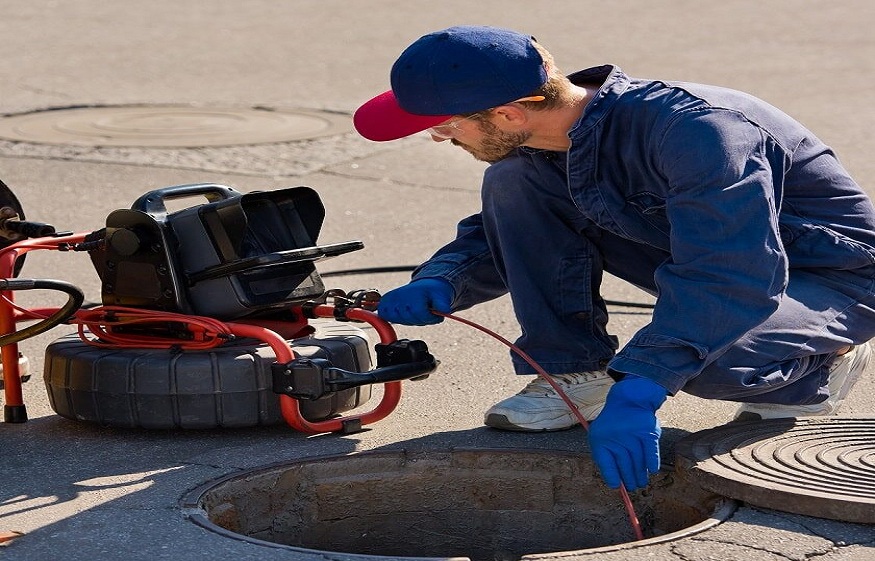
Blocked drains are one of the most frustrating and common plumbing issues homeowners face, often starting as a slow drain before escalating into a complete blockage. Many cases of blocked drains Sydney properties experience are not caused by a single event, but rather a gradual build-up of everyday materials combined with environmental factors. Left untreated, these blockages can lead to overflowing sinks, foul smells, water damage, and even structural issues. Understanding the root causes—and more importantly, how to prevent them—can save you time, stress, and costly repairs.
Grease, Oil, and Food Waste Accumulation
In kitchen drains, grease and food waste are among the biggest contributors to blockages. While it may seem harmless to rinse oils or small food scraps down the sink, these substances behave very differently once inside your pipes. Grease and oil cool and solidify along the pipe walls, creating a sticky layer that traps other debris such as coffee grounds, food particles, and detergent residue. Over time, this accumulation narrows the pipe and restricts water flow, eventually leading to a full blockage.
Read More: The Hidden Bond: A Comprehensive Guide to
This issue is particularly common in busy households where cooking oils are frequently used. Prevention requires a change in habits—disposing of grease in a container rather than down the sink, using sink strainers to catch solids, and occasionally flushing drains with hot water and mild cleaning solutions to break down early build-up. These simple steps can significantly reduce the risk of long-term problems.
Hair, Soap Scum, and Bathroom Build-Up
Bathroom drains are highly prone to blockages due to a combination of hair, soap residue, and personal care products. Hair alone can easily accumulate in pipes, but when mixed with soap scum, shampoo residue, and mineral deposits from water, it forms dense clumps that cling to the inside of pipes. These clumps gradually grow larger, restricting water flow and causing slow drainage or complete blockages.
This problem is often overlooked until it becomes severe, but regular maintenance can make a big difference. Installing hair catchers over drains, routinely cleaning them, and periodically flushing drains can prevent build-up from reaching problematic levels. Being mindful of how much product is washed down the drain also helps minimise residue accumulation over time.
Tree Root Intrusion in Underground Pipes
In many Sydney suburbs, particularly those with established trees and older infrastructure, tree root intrusion is a major cause of blocked drains. Tree roots naturally seek out moisture, and even the smallest crack in an underground pipe can attract them. Once inside, roots continue to grow, expanding and creating dense blockages that restrict or completely stop water flow.
Unlike surface-level issues, root intrusion often goes unnoticed until significant damage has occurred. Signs may include recurring blockages, gurgling sounds, or slow drainage throughout the property. Preventative measures include regular professional inspections using drain cameras, especially for homes with large trees nearby. Early detection allows for targeted solutions before the problem escalates into pipe replacement or major excavation work.
Flushing Non-Flushable Items and Household Waste
One of the most preventable causes of blocked drains is flushing inappropriate items down the toilet. Products such as wet wipes (even those labelled “flushable”), paper towels, sanitary products, and cotton buds do not break down easily in water. Instead, they accumulate within the pipes and can combine with other waste to form stubborn blockages.
This issue is particularly common in family homes or shared living spaces where different habits may exist. Education and awareness are key—ensuring everyone in the household understands that only toilet paper and human waste should be flushed can significantly reduce the risk of blockages. Providing accessible bins in bathrooms also encourages proper disposal.
Ageing Pipes, Corrosion, and Poor System Design
Older homes across Sydney often have plumbing systems that are more vulnerable to blockages due to wear and tear over time. Corroded pipes can develop rough internal surfaces that catch debris more easily, while older materials may be more prone to cracking or collapsing. In some cases, poor pipe design or incorrect installation can also contribute to ongoing drainage issues.
Regular maintenance and inspections are essential for these properties. Identifying weak points early allows for targeted repairs or upgrades before major issues develop. Investing in preventative care is often far more cost-effective than dealing with repeated blockages or emergency plumbing situations.
Long-Term Prevention and Maintenance Strategies
Keeping your drains clear is not about reacting to problems—it’s about preventing them from happening in the first place. Simple, consistent habits such as avoiding grease disposal in sinks, using drain guards, and being mindful of what goes down your drains can make a significant difference over time.
Read More: Step-by-Step Guide to Achieving the Perfect Wood
In addition, periodic professional cleaning and inspections can help identify early signs of build-up or damage that may not be visible. This proactive approach ensures your plumbing system remains efficient and reduces the likelihood of unexpected disruptions.
Ultimately, blocked drains are usually the result of cumulative factors rather than a single cause. By understanding how these issues develop and taking practical steps to prevent them, homeowners can protect their plumbing system, avoid costly repairs, and maintain a clean, functional home environment.
Recognising Early Warning Signs and Taking Prompt Action
While many drainage issues develop gradually, recognising the early warning signs can make a significant difference in preventing minor inconveniences from escalating into serious plumbing emergencies. Homeowners who remain attentive to subtle changes in their drainage systems are better positioned to address problems before they result in extensive damage. In many cases, properties experiencing blocked drains Sydney residents commonly encounter begin with small indicators such as slow-draining sinks, intermittent gurgling sounds, or unpleasant odours emanating from pipes. These early symptoms often signal the presence of developing obstructions or ventilation issues within the drainage network.
Slow drainage is typically the first sign that debris is accumulating within the pipes. Whether caused by grease in kitchen lines, hair and soap residue in bathrooms, or external factors like tree root intrusion, restricted water flow should never be ignored. Similarly, gurgling noises may indicate trapped air resulting from partial blockages or problems with the plumbing vent system. Unpleasant smells, often described as musty or sewage-like, can suggest the presence of decomposing organic matter or stagnant water within the pipes. Addressing these warning signs promptly can prevent further deterioration and reduce the likelihood of costly repairs.
The Importance of Routine Drain Maintenance
Preventative maintenance plays a crucial role in preserving the efficiency and longevity of household drainage systems. Establishing a regular maintenance routine helps minimise the accumulation of debris and ensures that minor issues are resolved before they develop into significant blockages. Simple practices, such as periodically flushing drains with hot water and mild, environmentally friendly cleaning solutions, can assist in breaking down early build-up and maintaining smooth water flow.
In addition to these household measures, scheduling professional inspections at regular intervals provides an added layer of protection. Advanced diagnostic tools, such as drain cameras, enable technicians to assess the internal condition of pipes without invasive excavation. This technology allows for the early detection of structural issues, root intrusion, or hidden obstructions, facilitating timely intervention and reducing the risk of unexpected system failures.
Environmental and Seasonal Influences on Drain Performance
Environmental conditions and seasonal changes can also have a notable impact on the performance of residential drainage systems. In regions with mature vegetation, shifting soil and increased rainfall can place additional stress on underground pipes. Heavy rain, in particular, may overwhelm drainage systems, exposing vulnerabilities such as cracks or misaligned joints that allow debris and tree roots to infiltrate.
During drier periods, soil contraction can lead to pipe movement or separation, creating entry points for roots and other external materials. Homeowners should remain vigilant during these seasonal transitions, especially if their property is surrounded by large trees or located in an area with ageing infrastructure. Proactive inspections following extreme weather events can help identify potential issues before they escalate.
Promoting Household Awareness and Responsible Habits
A well-functioning drainage system relies not only on structural integrity but also on the everyday habits of those using it. Educating all members of the household about proper waste disposal is essential in preventing avoidable blockages. Encouraging responsible practices—such as disposing of cooking grease in sealed containers, using drain strainers, and avoiding the flushing of inappropriate items—can significantly reduce the strain on plumbing systems.
Creating a culture of awareness within the home ensures that preventative measures become part of daily routines rather than reactive responses to problems. Clear communication and simple reminders can be particularly effective in shared living environments, where differing habits may otherwise contribute to recurring drainage issues.
Long-Term Benefits of Proactive Drain Care
Investing time and effort into preventative drain care offers substantial long-term advantages. Beyond reducing the likelihood of inconvenient blockages, proactive maintenance helps protect the structural integrity of the entire plumbing system. This approach minimises the risk of water damage, preserves property value, and contributes to a healthier living environment by preventing the growth of mould and bacteria associated with stagnant water.
Furthermore, maintaining clear and efficient drains supports environmental sustainability. Efficient plumbing systems reduce water wastage and limit the need for extensive repair work, which can involve significant resource consumption. By adopting preventative strategies and remaining attentive to early warning signs, homeowners can ensure the continued reliability of their drainage systems while avoiding unnecessary expenses and disruptions.